
1984
Koko wanted a kitten.

This is not her. Every photograph of Koko belongs to the foundation that raised her, and none is free to show. So: gorillas who were not Koko, and the places where it happened.

1971
She was born in San Francisco, at the zoo, on the Fourth of July. Hanabiko: fireworks child. Koko, for short.

At a year old she fell ill and was taken from her mother to be nursed.

A graduate student called Penny Patterson began teaching her signs. Food. Drink. More.

By 1984 Patterson said she knew hundreds of signs. Whether that was language was argued then and is argued now. About the kitten nobody had doubts.

Christmas 1983
She asked for a cat. She was given a toy one, and would not play with it. She signed: sad.

July 1984
For her birthday a litter of abandoned kittens was brought in. She chose the grey one with no tail.

She named him All Ball. She carried him on her back, the way gorillas carry their young. When he bit her she signed: obnoxious. Cat.

December 1984
In December, All Ball got out of the enclosure and onto the road. He was hit by a car.

Patterson told her. She was quiet for a while. Then she signed: bad. Sad. Bad. Frown. Cry. Frown. Sad. That night the people who worked there heard a sound they described as crying.

January 1985
The next month the two of them were on the cover of National Geographic. Koko's Kitten. He was already gone.

The next year she chose two more, and named them Lipstick and Smoky. She went on choosing kittens for thirty years. At forty-four: Ms. Gray and Ms. Black.

People came. Fred Rogers, whose shoes she took off, the way he did at the start of every programme. Robin Williams, whose glasses she took and tried on.
June 2018
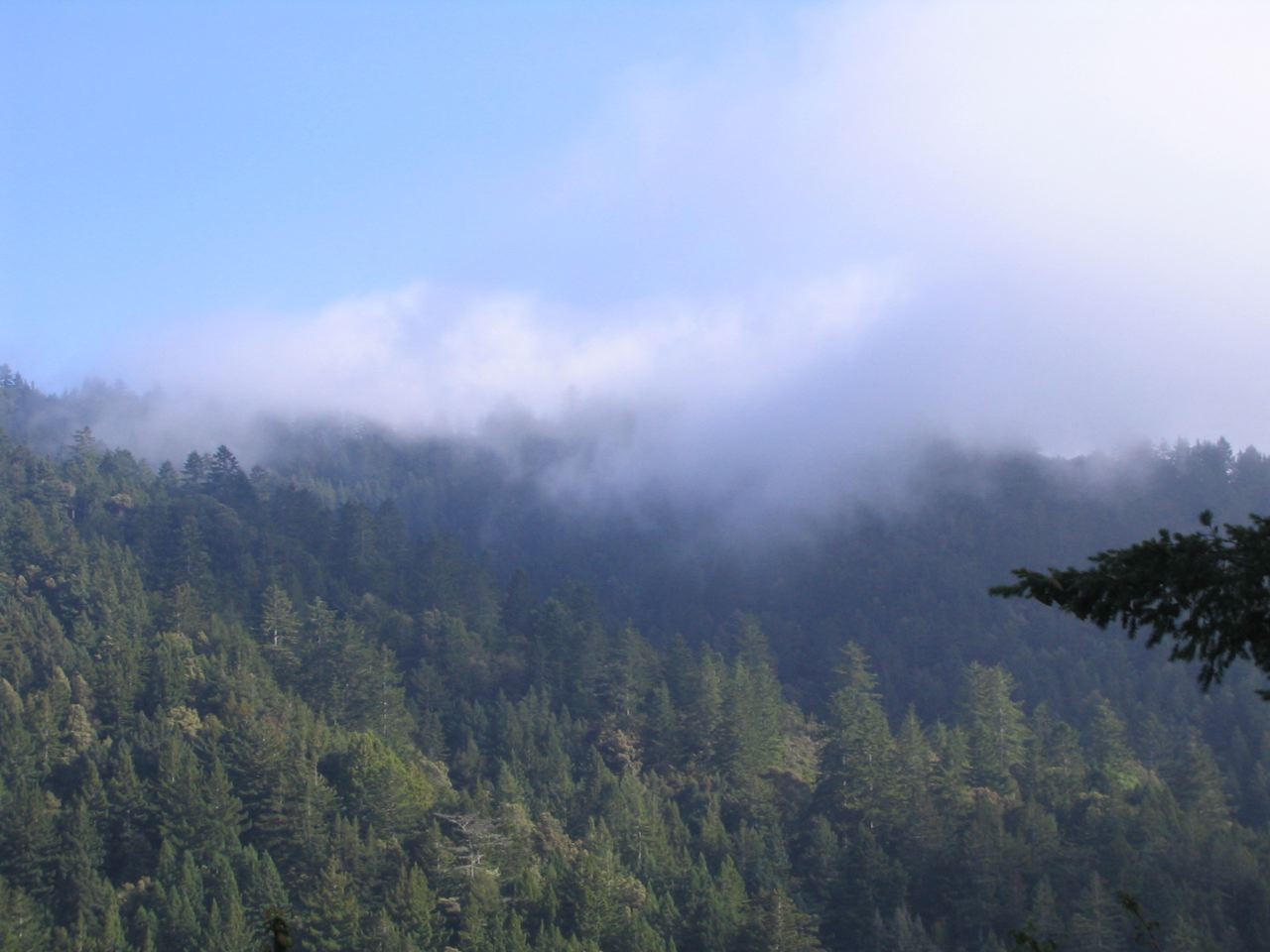
She died in her sleep at forty-six, in the hills above Woodside.

The news went round the world in a day, told by people who had never met her, with the same three or four photographs. None of them are here.
You have now had it from someone who was not there either. That is how nearly everything survives.
Someone you love is still here.
What did their street sound like when they were nine?
Sit with them. Ask it. Put the phone face down; this records only sound, and only here, on this device.
Where this came from
Francine Patterson and Ronald Cohn, Koko's Kitten (1985). National Geographic, January 1985. The reports of her death, 19 June 2018. What Koko signed is as Patterson recorded it, and whether it was language is still argued; that she chose the kitten, that he was killed on the road, that the two of them were on the cover, are not in dispute.
The photographs
None of them is Koko. Every photograph of her belongs to The Gorilla Foundation, and none is licensed for use here. These are gorillas of her kind, the zoo she was born in, the road above Woodside, a kitten like hers, and the rooms the story reached.
- Western Lowland Gorilla sitting in brush. Garst, Warren, 1958-1988. CC BY-SA 4.0.
- Gorilla at Columbus Zoo. David E. Lucas, October, 1980 circa. Public domain.
- Fleishhacker Zoo, San Francisco. Drew Jacksich from San Jose, CA, The Republic of California, August 1971. CC BY-SA 2.0.
- Columbus Zoo baby gorilla and mother. David E. Lucas, August 1980 circa. Public domain.
- Baby gorilla at Children's Hospital (Nationwide Children's Hospital). David E. Lucas, August, 1980 circa. Public domain.
- Colo and Bongo, Columbus Zoo. unknown photographer. No restrictions.
- Female Manx cat. Joachim Jesußek, 2003-07. Public domain.
- Manx kitten. TheEaterofCorn, 2021-01-12. CC BY-SA 4.0.
- Gorilla-hand. David Ball / Mactographer at en.wikipedia, 2004-08. CC BY-SA 3.0.
- Sign at Kings Mountain Road - Skyline Blvd. Suiren2022, 2020-05-07. CC BY-SA 4.0.
- Sleeping western lowland silverback in Dzanga-Sangha National Park. JosepMGracia, 2014-08-10. CC BY-SA 4.0.
- Home office, New Orleans. Infrogmation of New Orleans, 1986. CC BY-SA 3.0.
- Grey Kitten. kitty.green66, 2010-06-19. CC BY-SA 2.0.
- Gorilla at Columbus Zoo. David E. Lucas, June, 1992 circa. Public domain.
- Purisima Creek, Santa Cruz Mountains. Tom Radulovich, July 2007. CC BY-SA 3.0.
- Public Lunch. A Living Library, March 1971. CC BY-SA 4.0.


.jpg)

_-_DPLA_-_a20d1d9e8a8da6a8681dc74dbe67f9d8.jpg)
.jpg)


.jpg)


